Nihi Indigenous Media
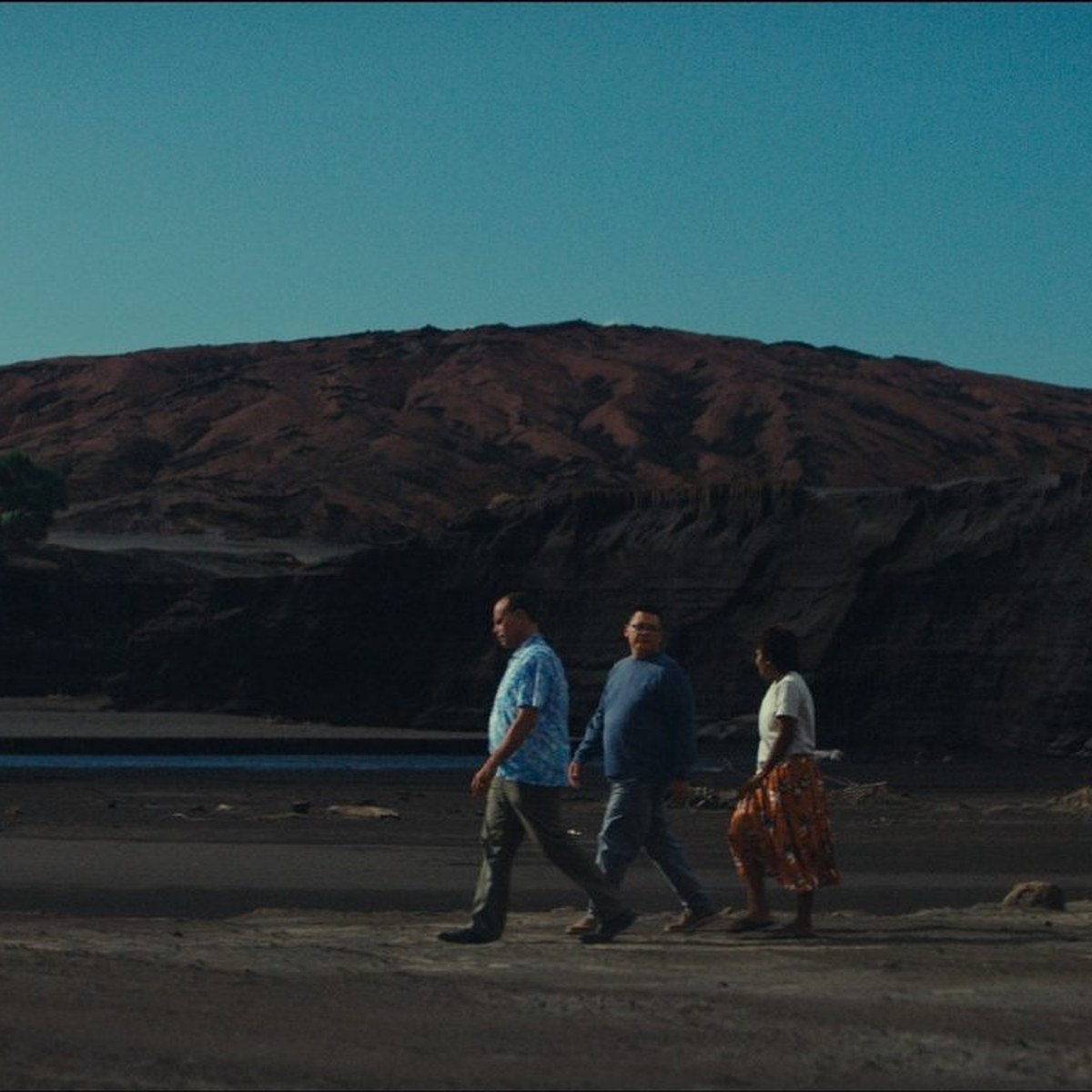
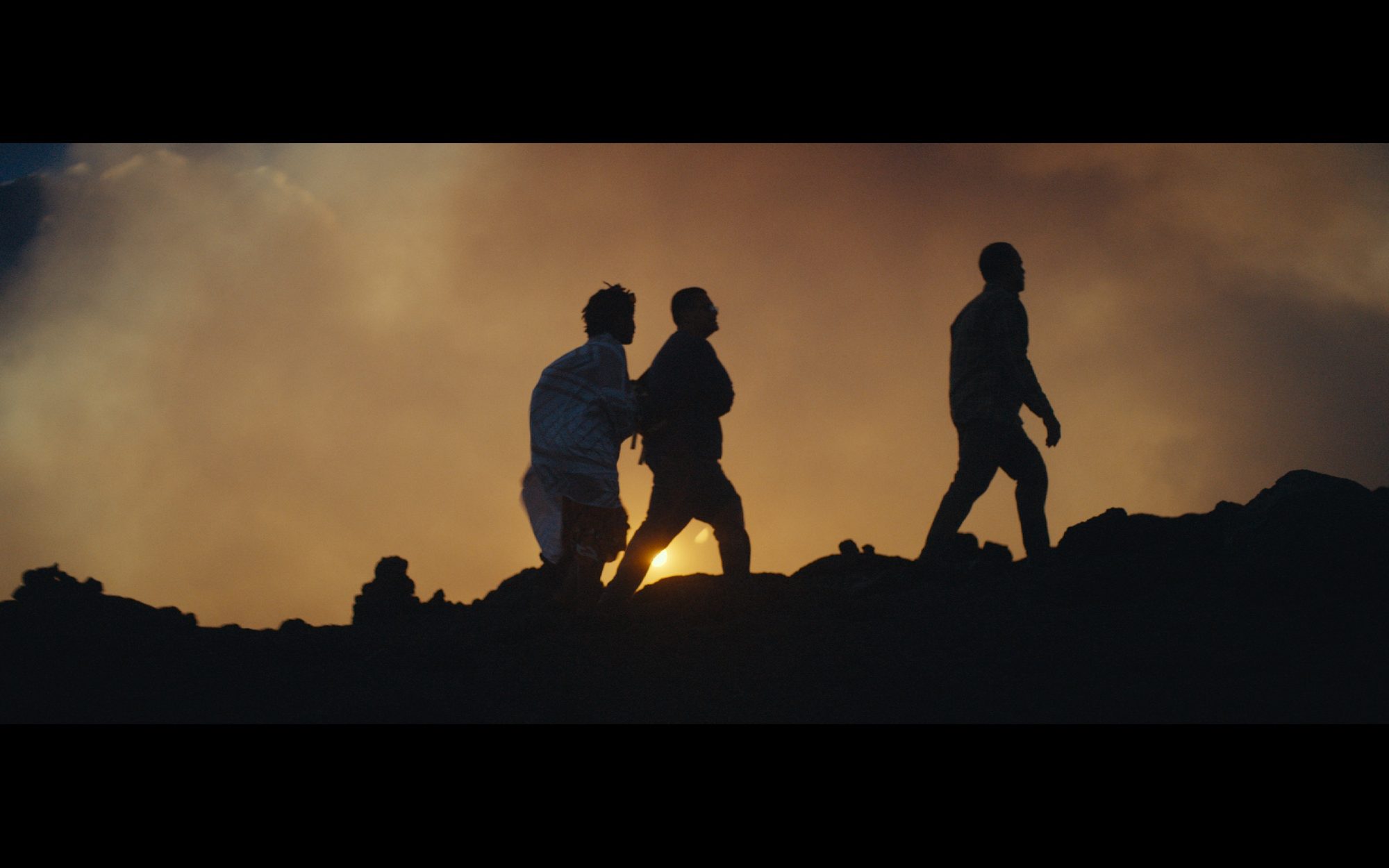
Three figures walking a ridge at sunset

In Defense of the Future

Feature documentary

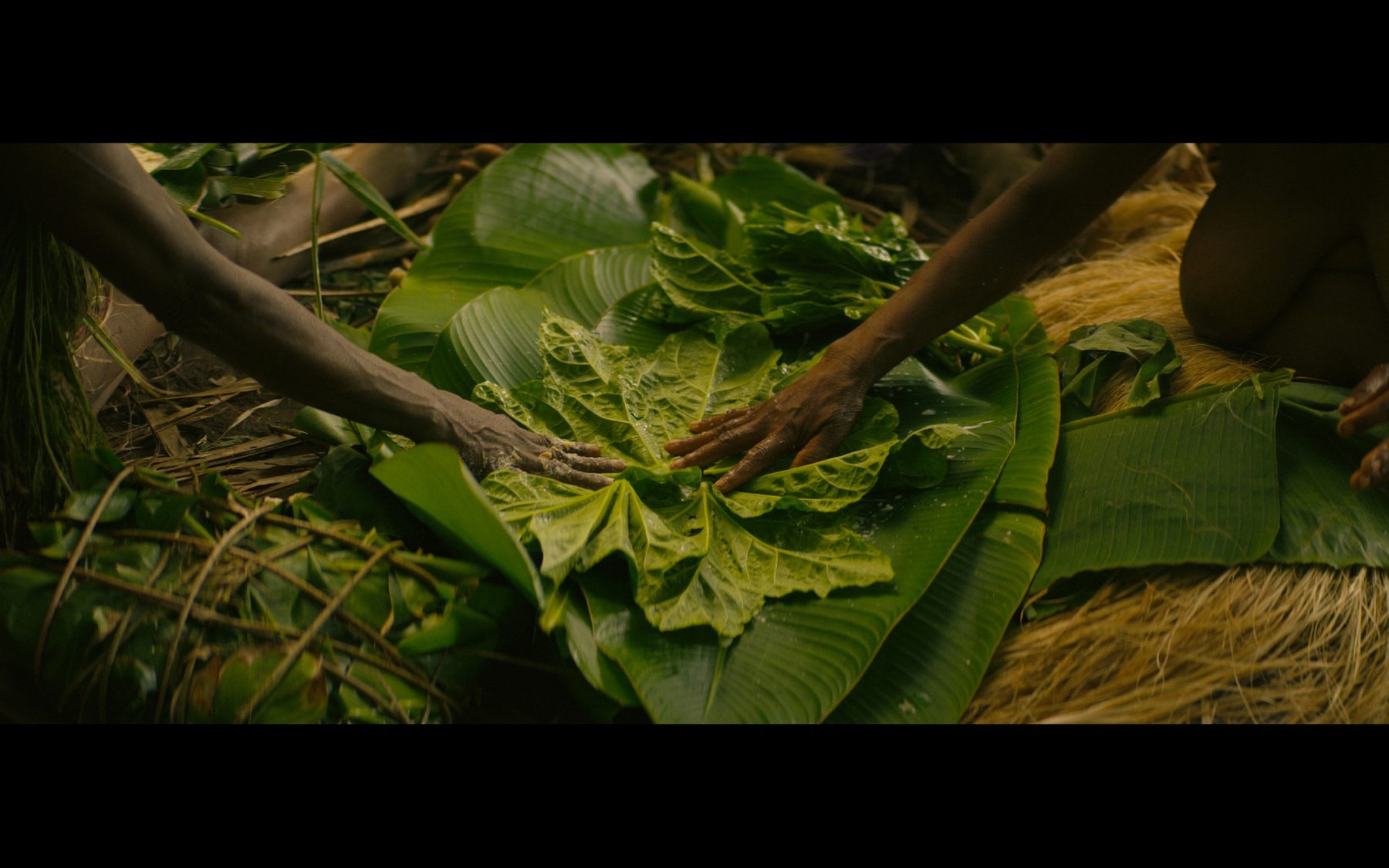
Hands arranging leaves

The Story

From Pacific villages on the frontlines of climate change to the halls of the World Court, Indigenous leaders build an unprecedented case before the International Court of Justice, uniting more than 130 nations in a historic fight for climate justice.
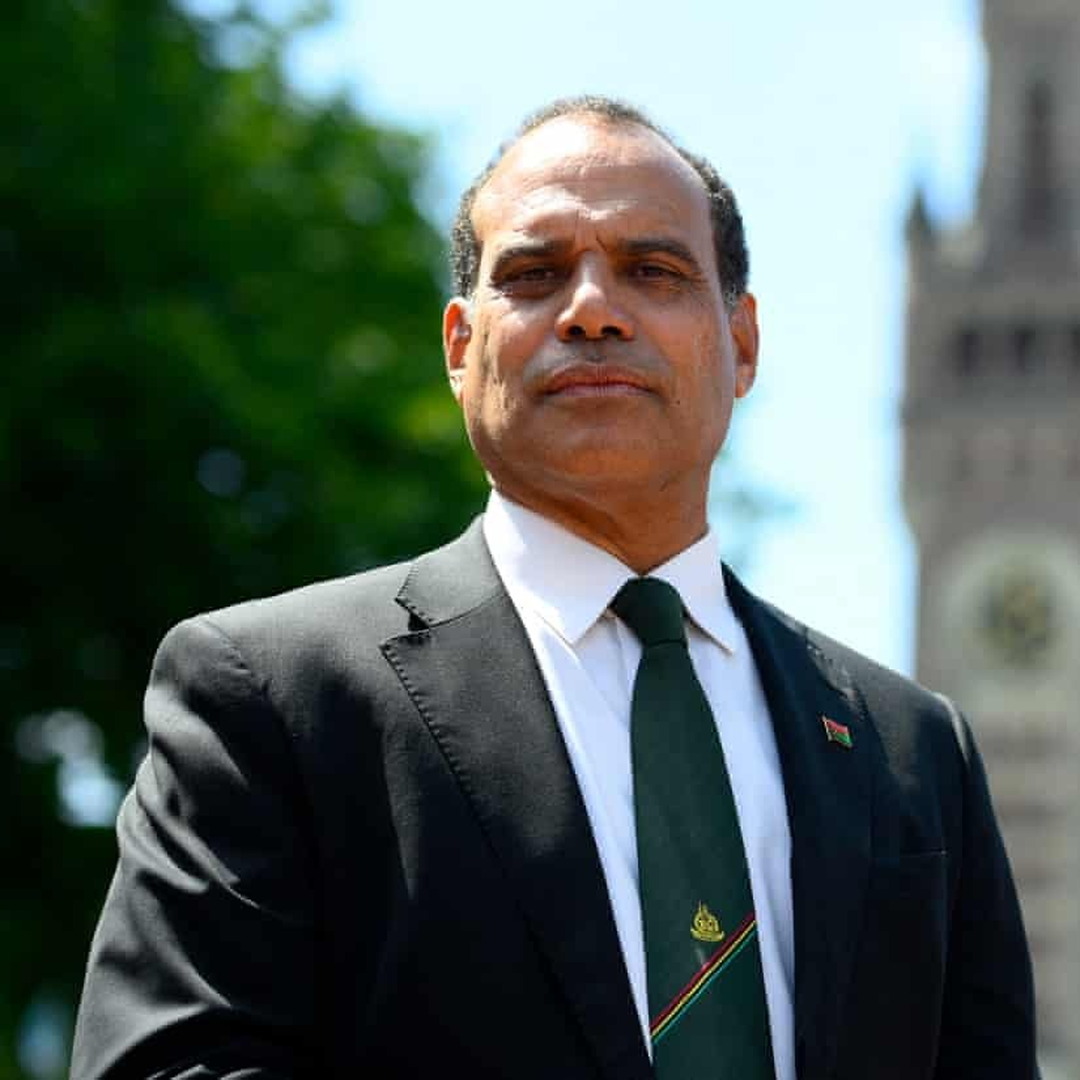
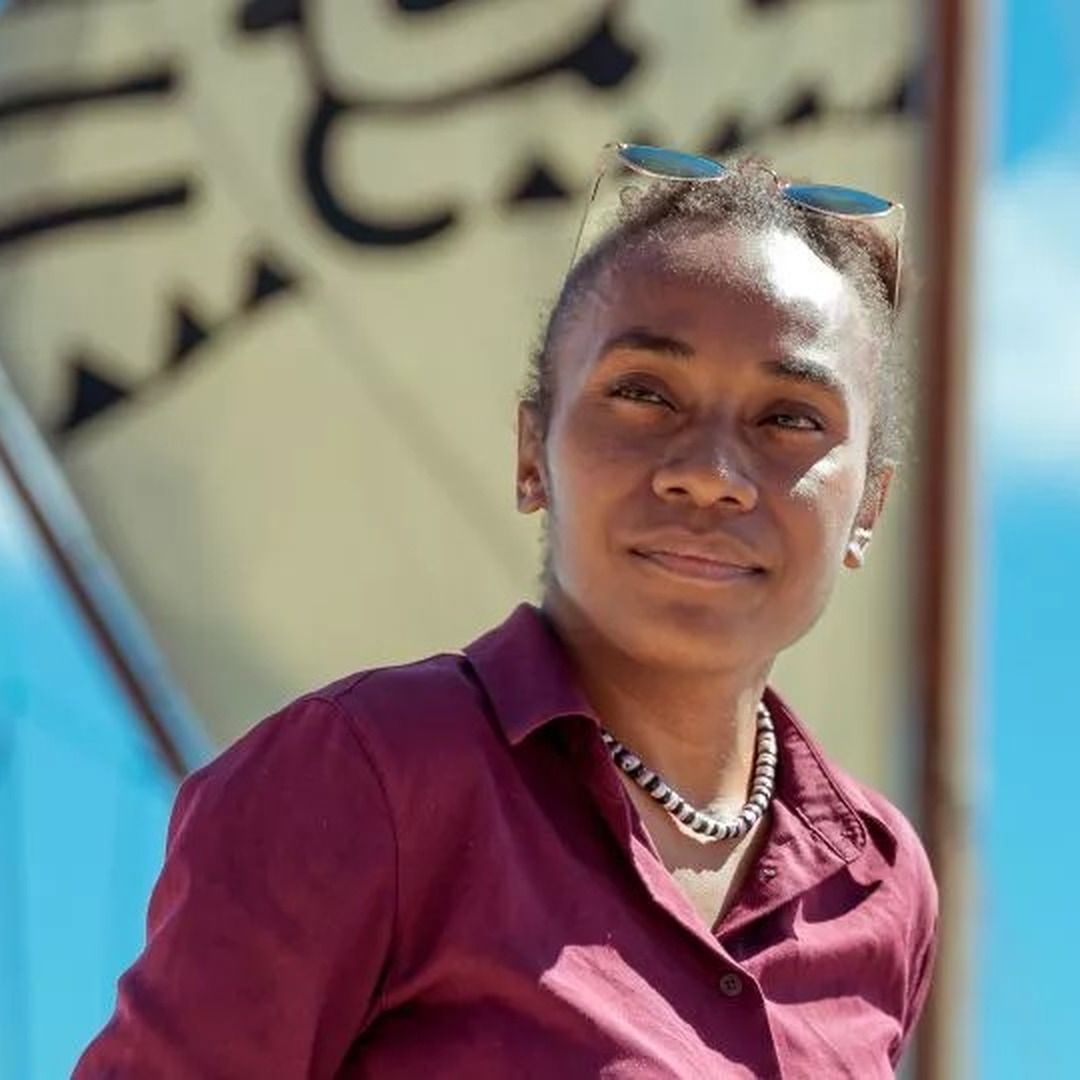
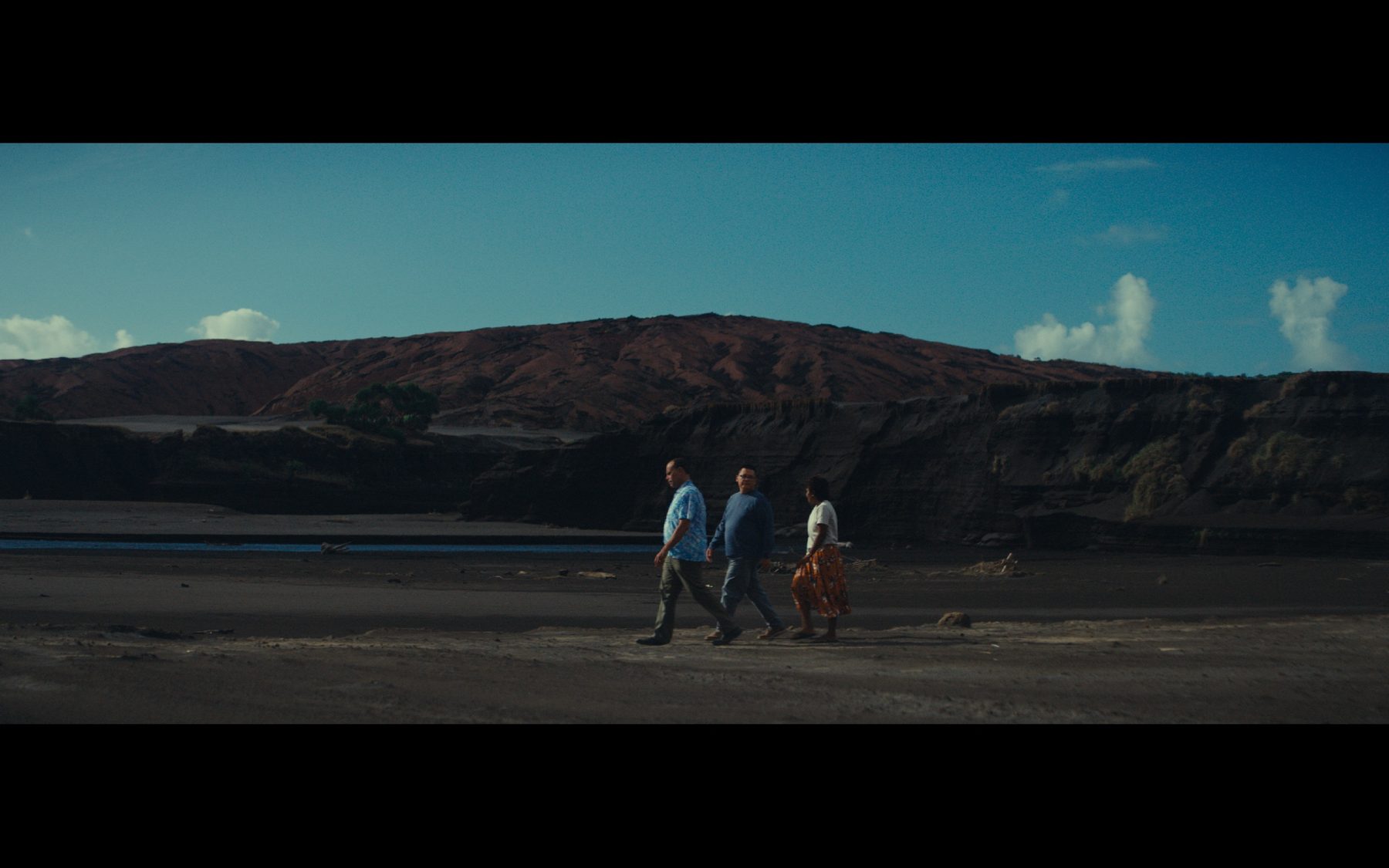
Hon. Ralph RegenvanuCynthia HouniuhiJulian AguonThe three leaders walking the shore

In Defense of the Future follows the leaders and communities behind this movement, revealing the sacred relationships to land and ocean that inspired their fight — and the Pacific peoples reshaping international law to defend their own futures.

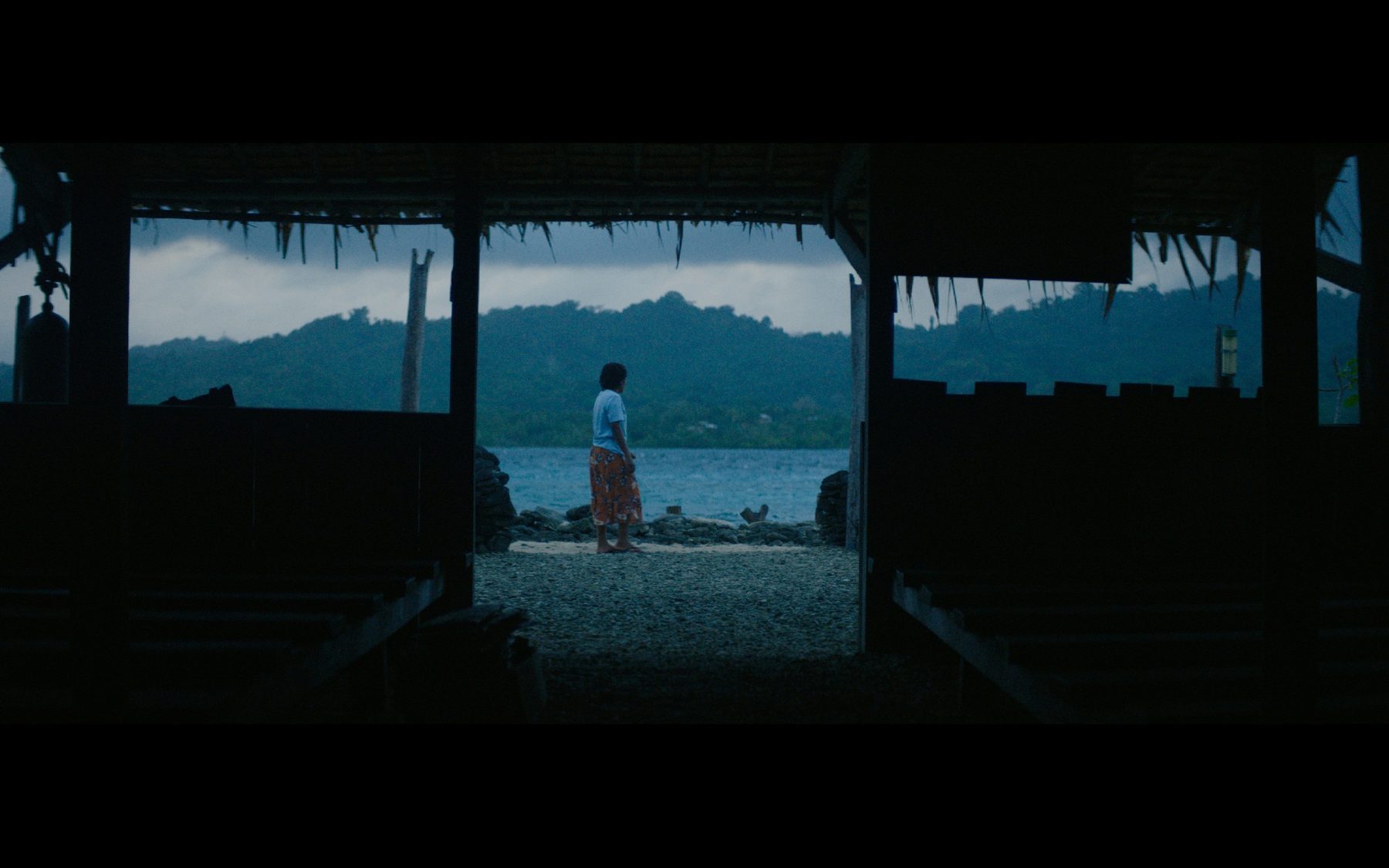
A woman standing in a doorway looking out over the water

Told From Within

While international media coverage surrounding the ICJ case has been extensive, In Defense of the Future is uniquely positioned as the only feature documentary being led from within the Pacific communities that originated the case and shaped its movement.

  • Created by Pacific filmmakers from Micronesia and Melanesia, with an entirely Indigenous crew.
  • Developed in close partnership with Blue Ocean Law and Pacific Islands Students Fighting Climate Change, with Julian Aguon contributing as a writer and Cynthia Houniuhi co-directing in Solomon Islands.
  • Filmed within the communities whose knowledge, experiences, and relationships to land shaped the movement.
  • Prioritizing return screenings, community-directed resources, and Indigenous IP ownership and story sovereignty.

When the Land Speaks

For Pacific peoples, climate change is not simply an environmental crisis. It is a threat to relationships that have sustained their islands for millennia. Land and ocean hold genealogy, governance, food systems, cultural practice, memory, and obligations between generations.

Through the intimate relationships of Indigenous peoples to their lands, the film reveals the scale of what was truly at stake in the case and what the leaders who changed international law set out to protect.

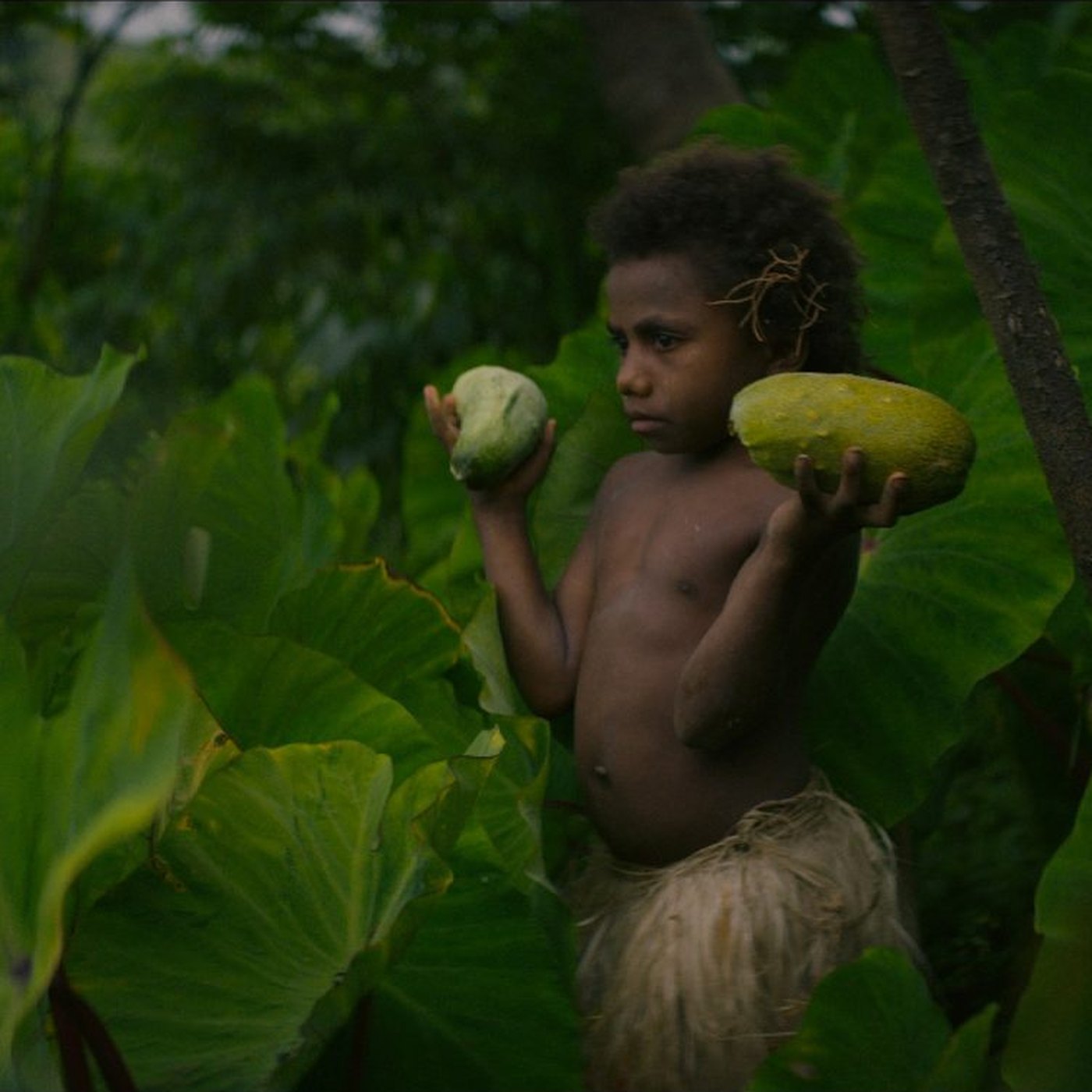
A child holding fruit among large leaves
Three people walking a dark shore beneath a red ridge

The Pacific Leaders

Three Indigenous leaders. Three Pacific homelands. One historic movement.

From student organizing to international diplomacy and legal strategy, Cynthia Houniuhi, Ralph Regenvanu, and Julian Aguon helped transform an improbable idea into the largest climate justice case in ICJ history. Rooted in their respective homelands, their journeys reveal the Indigenous leadership, vision, and determination behind this unprecedented movement.

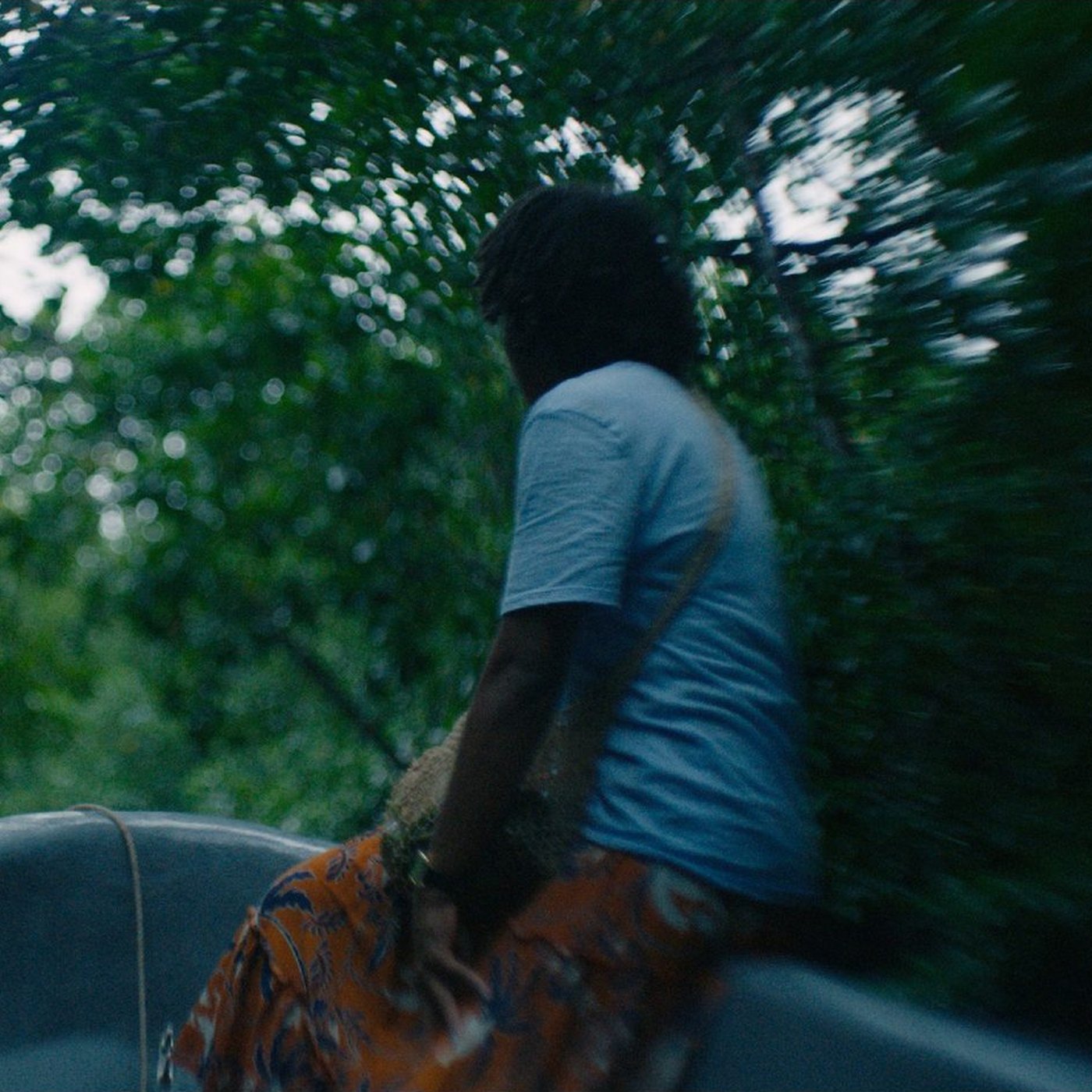
Cynthia Houniuhi in a boat under mangrove trees

Cynthia
Houniuhi

In South Malaita, we meet Cynthia in the mangroves of her grandmother’s village, where rising seas have displaced much of her family’s original home. Years earlier, as a law student in Vanuatu, she and 26 classmates ask an improbable question: Could the world’s highest court protect the places they call home?

Hon. Ralph
Regenvanu

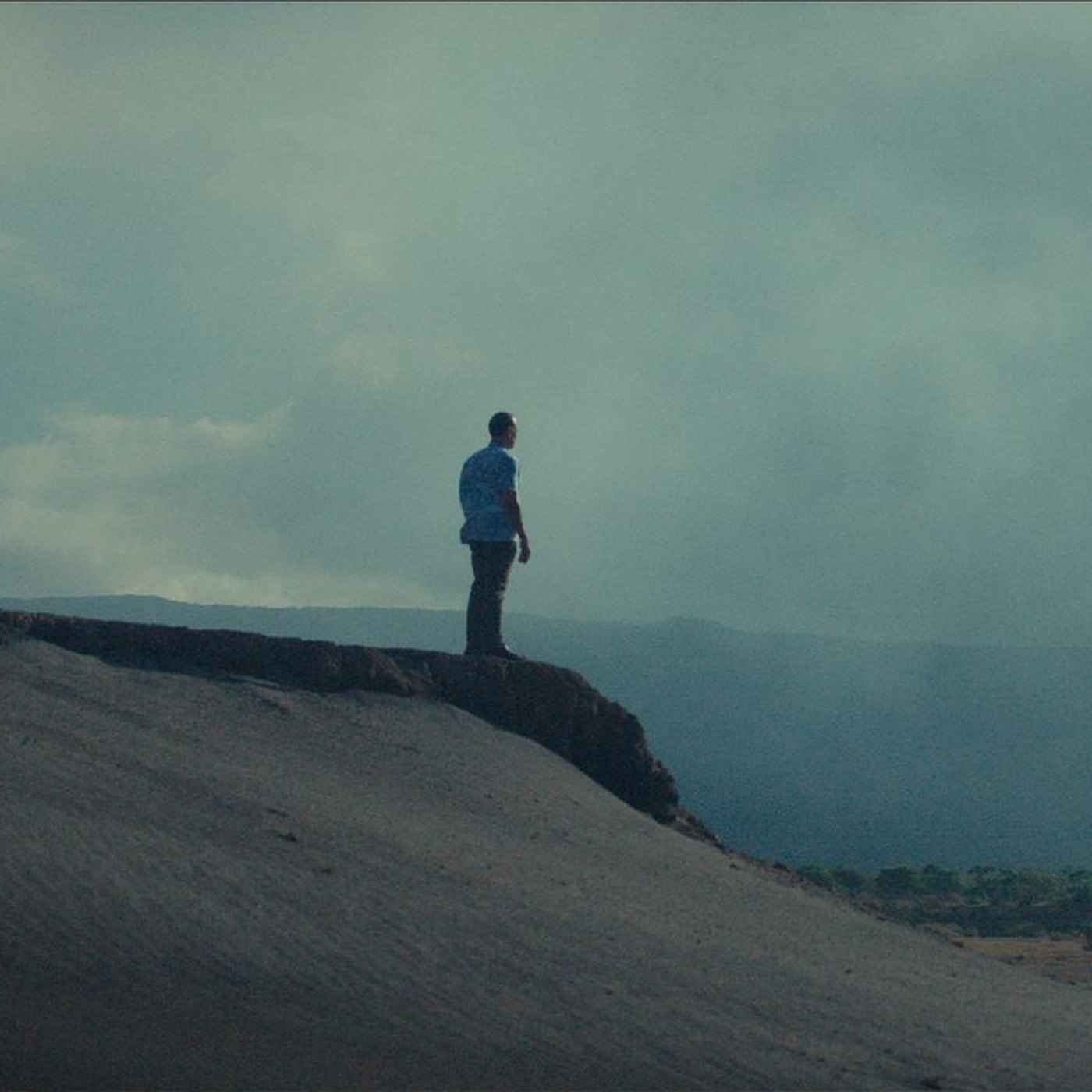
The student movement brings their improbable idea to Ralph Regenvanu. When few believe it can succeed, he does. Raised during Vanuatu’s independence movement, Ralph sees climate change as a new colonizer — another struggle over land, sovereignty, and Indigenous self-determination. He takes the case into government and begins assembling the legal team to bring their fight to the world stage.

Ralph Regenvanu standing on a ridge
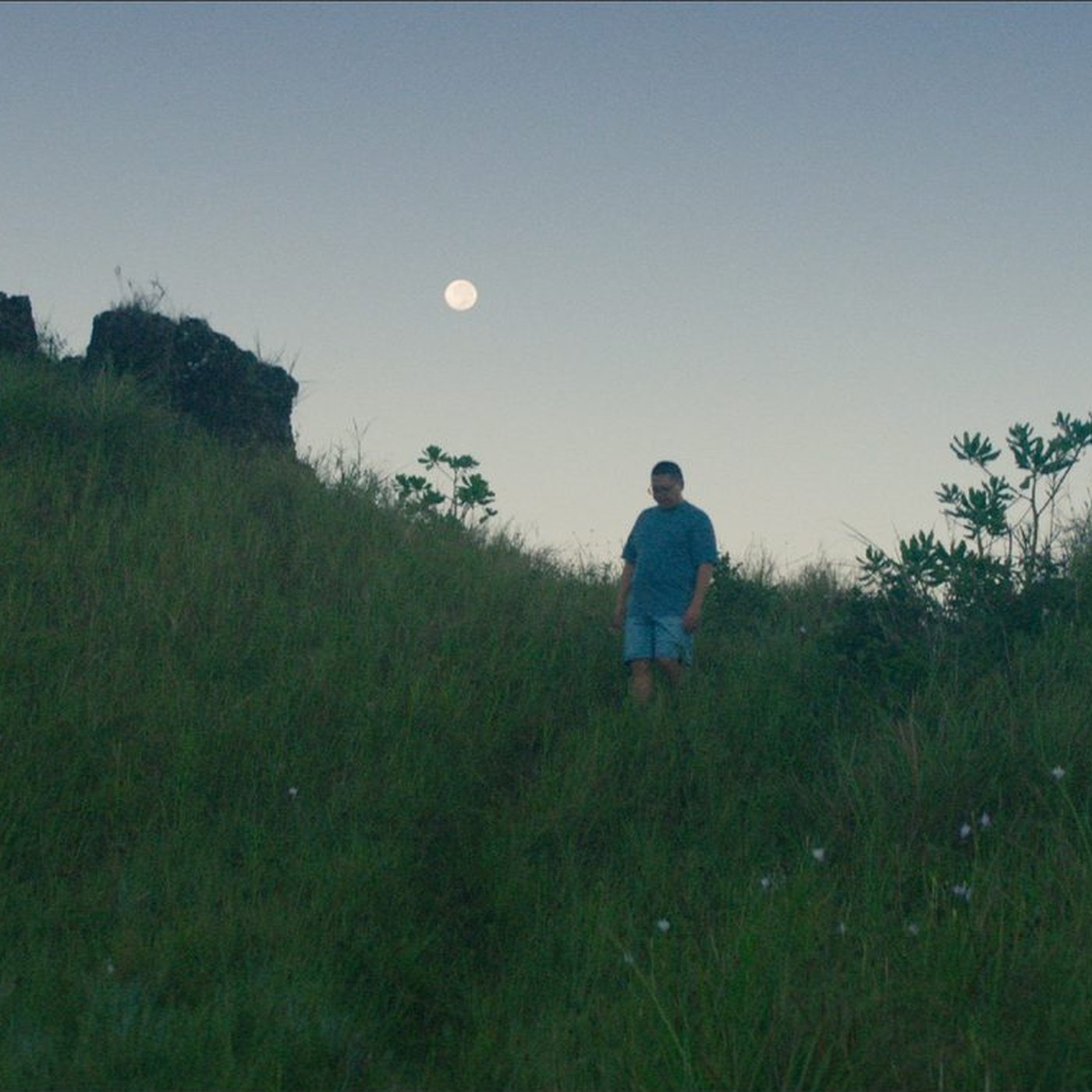
Julian Aguon walking a green hillside

Julian
Aguon

Ralph and the government of Vanuatu turn to Chamoru human rights lawyer Julian Aguon to build the case. From Blue Ocean Law, Julian and his team develop a strategy that refuses to separate international law from Indigenous cosmologies and their sacred relationships to the land — even as pressure mounts to weaken the question before the Court. Collected with extraordinary cultural care, these stories were carried by an Indigenous worldview to the World Court in a way never seen before.

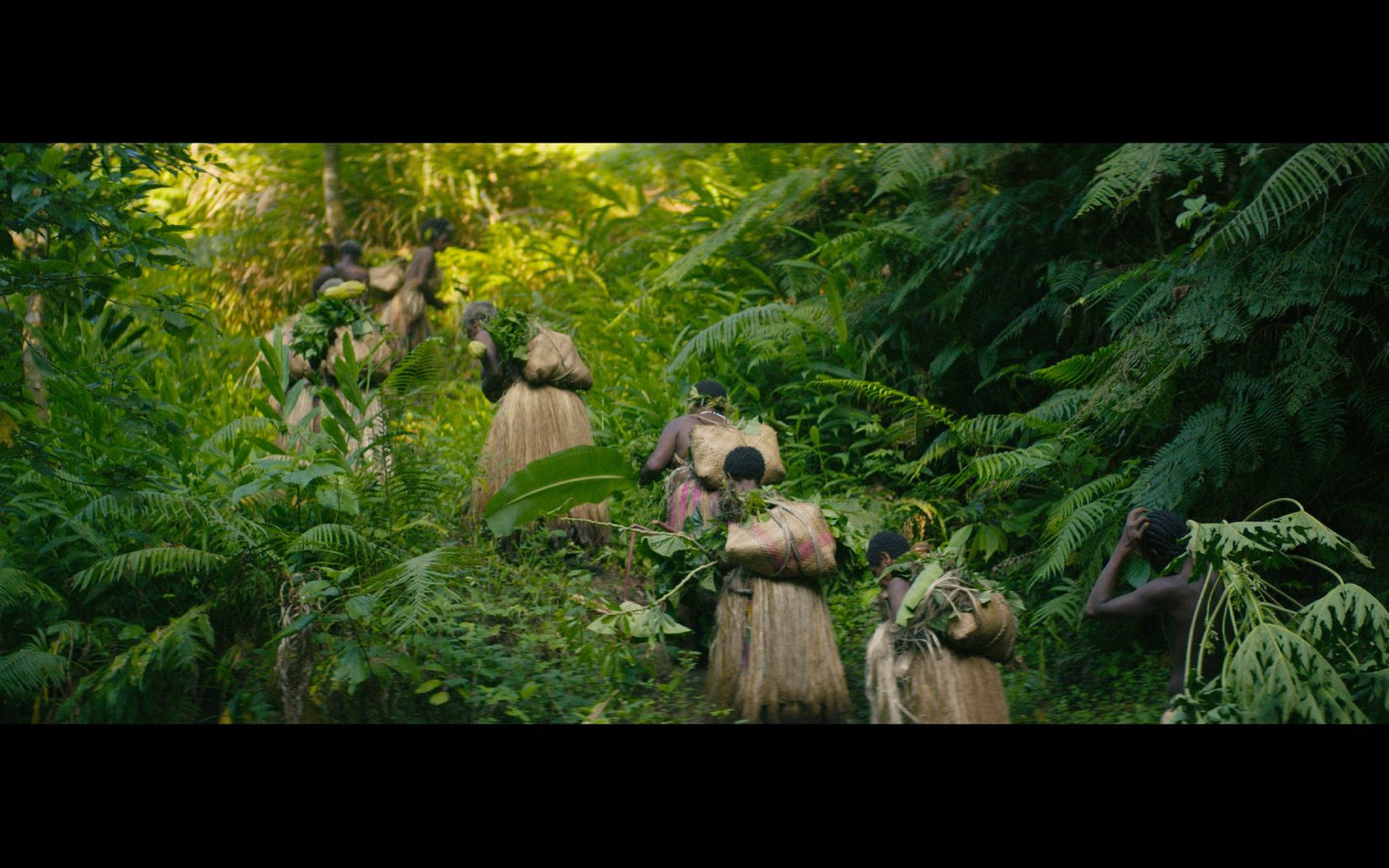
Women walking through dense jungle with woven baskets

From the Frontlines

As the campaign grows, frontline testimony becomes fundamental to showing what climate harm truly means beyond statistics and legal argument.

Across the Pacific, stories are gathered with immense care: carrying Indigenous understandings of land, ocean, and sacred obligations into the case before the World Court.

These testimonies bring us to the jungles of Yakel, Vanuatu and the shorelines of Lilisiana, Solomon Islands where communities whose lived experiences help define what the law is ultimately being asked to protect.

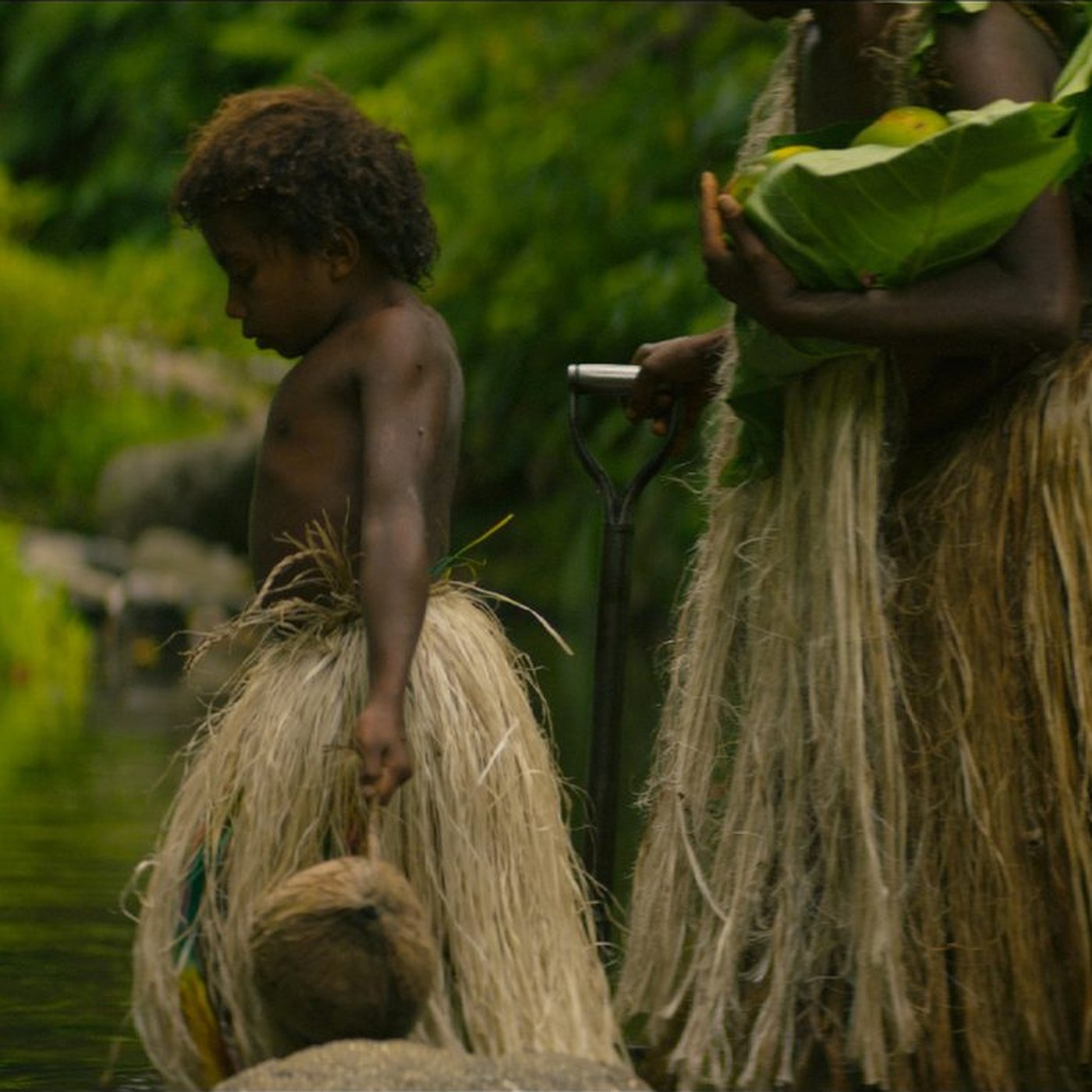
Women and a child of Yakel standing in a stream

Yakel

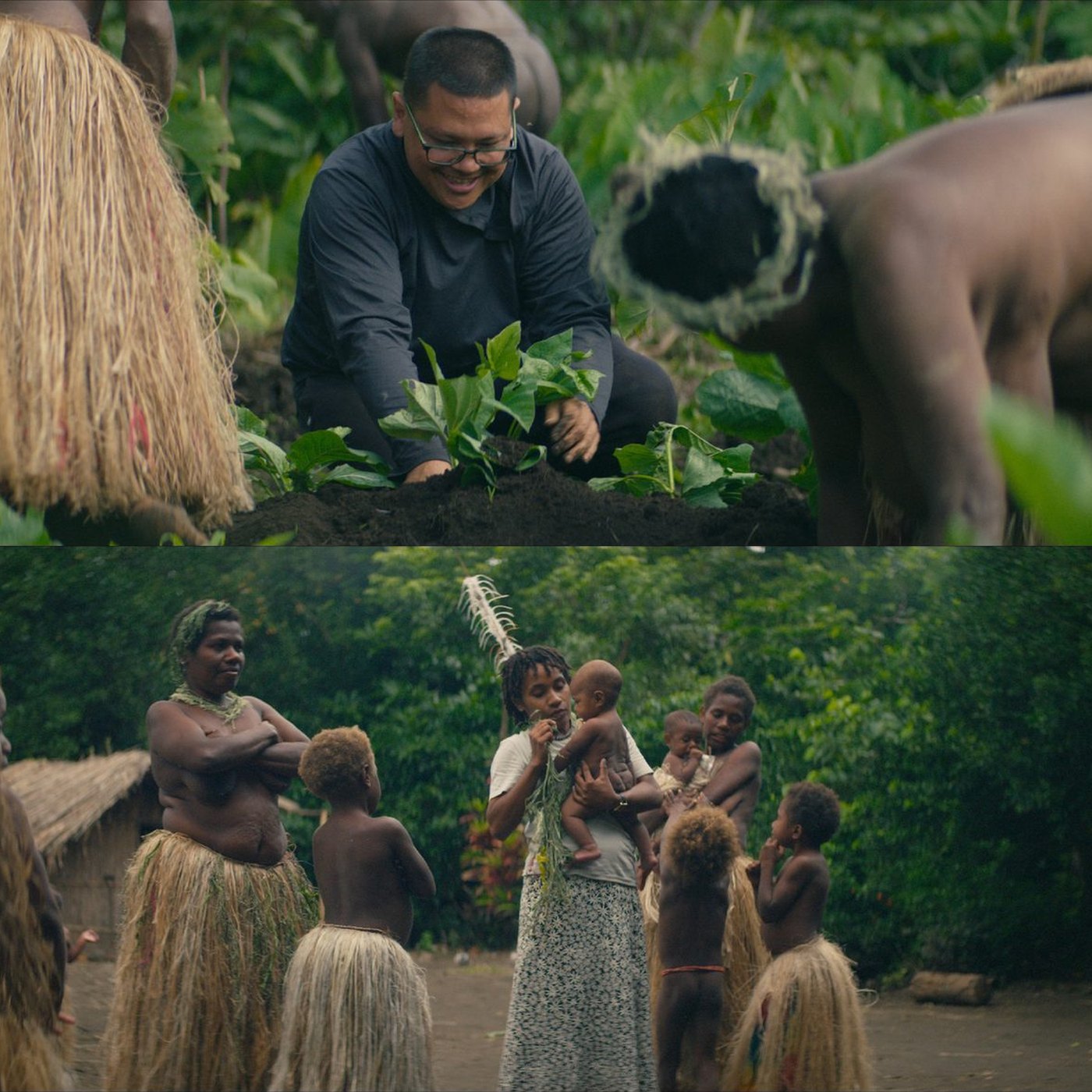
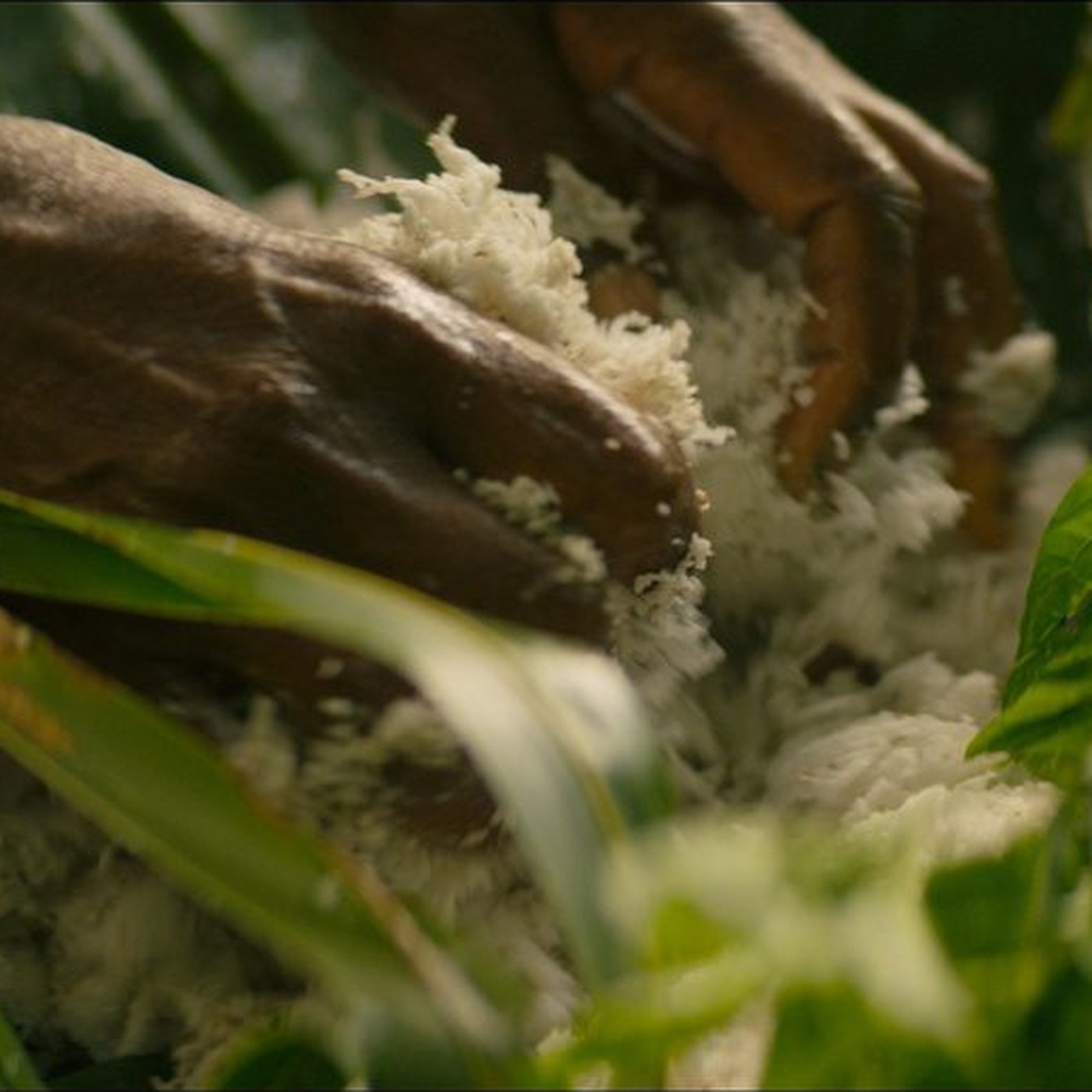
For the women of Yakel, yam is not simply food — it is ceremony, calendar, inheritance, and relationship to ancestors and land. But sacred yam gardens no longer grow as they once did and climate change threatens ancient ways of life.

Lilisiana

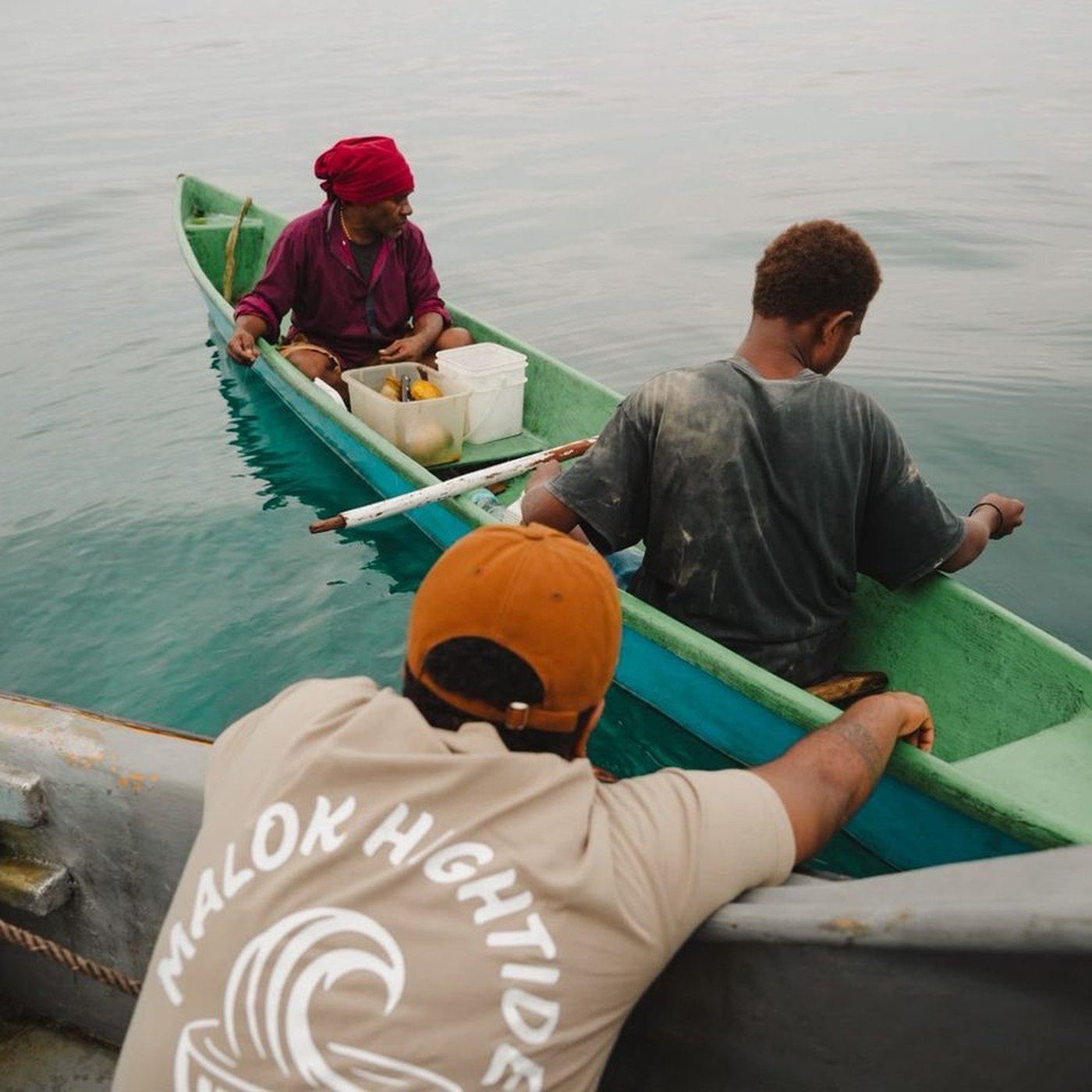
For Hilary Fioru and the people of Lilisiana, the shark is ancestor. Hilary takes us into the waters that his people have fished for generations, where the climate crisis is disrupting both ancestral relationship and belonging. Their stories along with hundreds of frontline testimonies travel from village to courtroom.

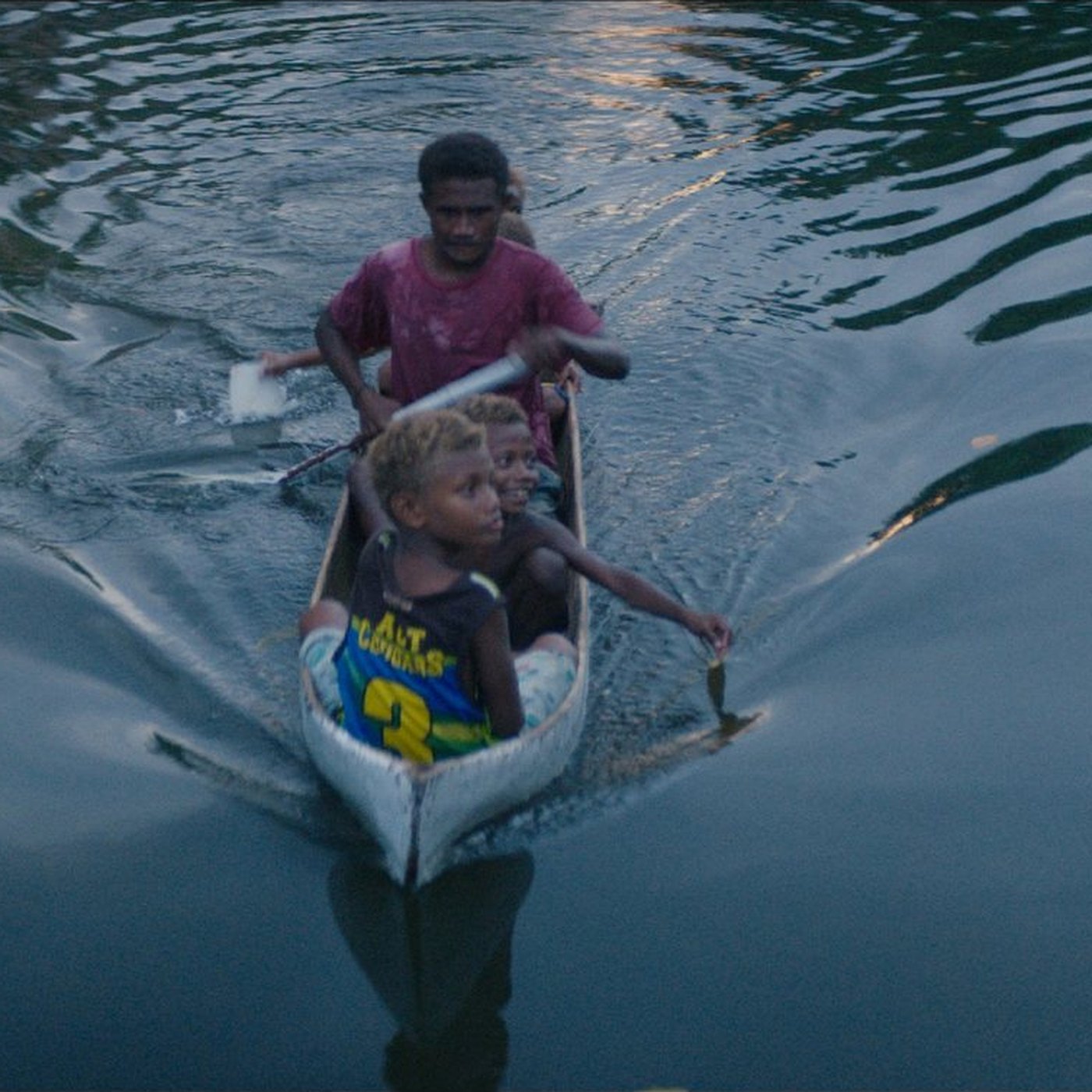
A family in a canoe on still water
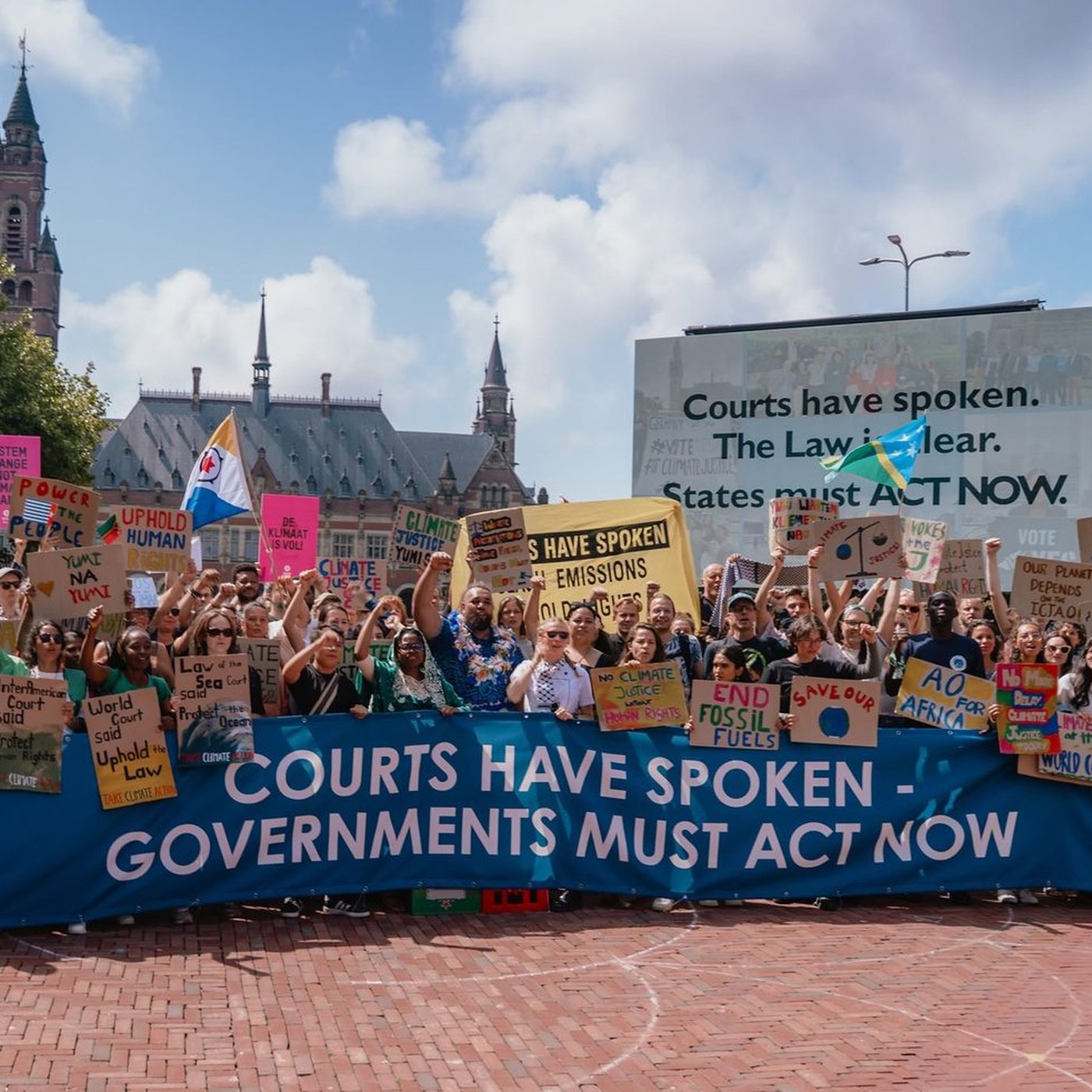
A crowd outside the Peace Palace

The World Stage

More than 130 nations rally behind an idea once imagined by a handful of Pacific students. Cynthia walks toward the Peace Palace with handwritten testimony from Solomon Islands in her pocket. Ralph waits with the weight of a campaign whose outcome he cannot promise. Julian watches the arguments they fought to preserve finally reach the judges.

Then the Court answers. Unanimously. The ruling opens unprecedented possibilities for climate accountability and repair.

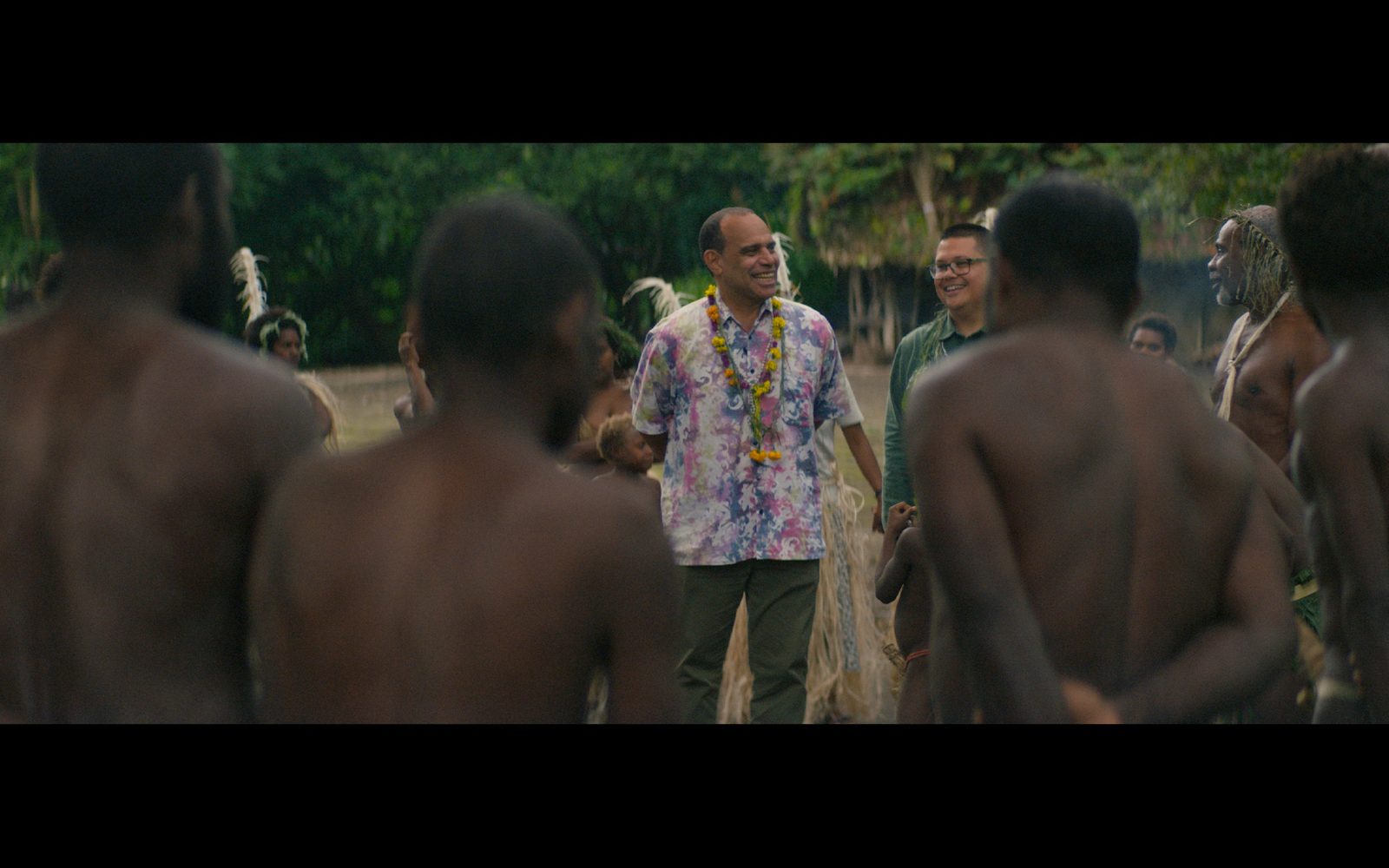
Ralph Regenvanu in Yakel

A Vision for
the Future

Ralph in Yakel, and the women of Yakel with a child

Cynthia, Ralph, and Julian return to Yakel to bring the decision back to communities whose experiences helped make the case possible. The people once described as climate change’s first victims return home carrying a new instrument of protection for the future. Among the gardens, rivers, and mountains, celebration gives way to a harder question: What can a legal victory mean here?

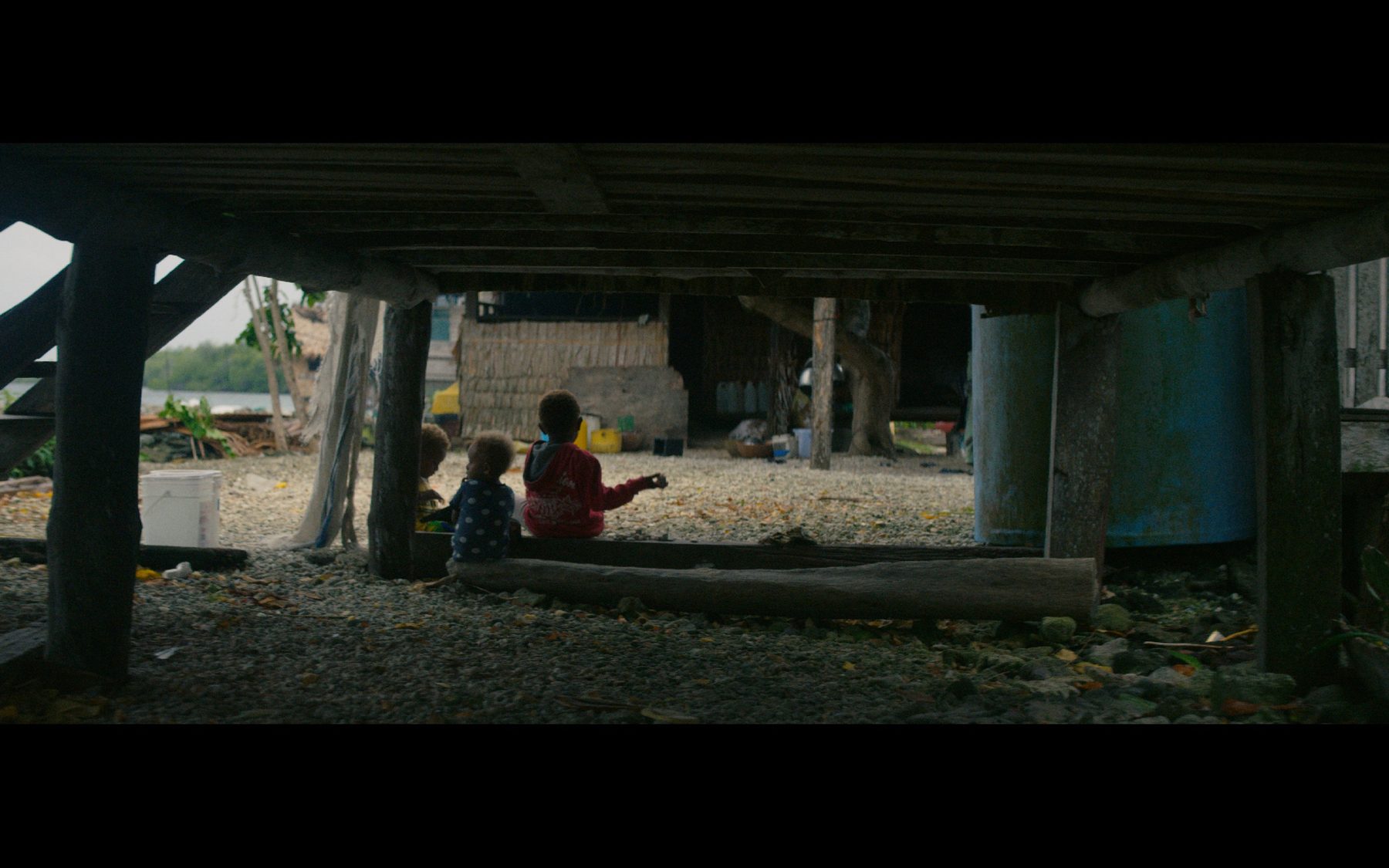
Children sitting under a raised house by the shore

Narrative Sovereignty:
Who Gets to Tell the Story?

In Defense of the Future is being made from within the communities whose story it carries. Led by an Indigenous Pacific creative team from Micronesia and Melanesia, the production was built around

story sovereignty: local filmmakers in key creative roles,

participants shaping their own representation, translators informing interviews and story decisions, and relationships continuing long after the cameras leave.

The method of storytelling is as important to us as the story itself. Access has been made possible through relationships built over years — and through the trust, reciprocity, and obligations that these relationships carry.

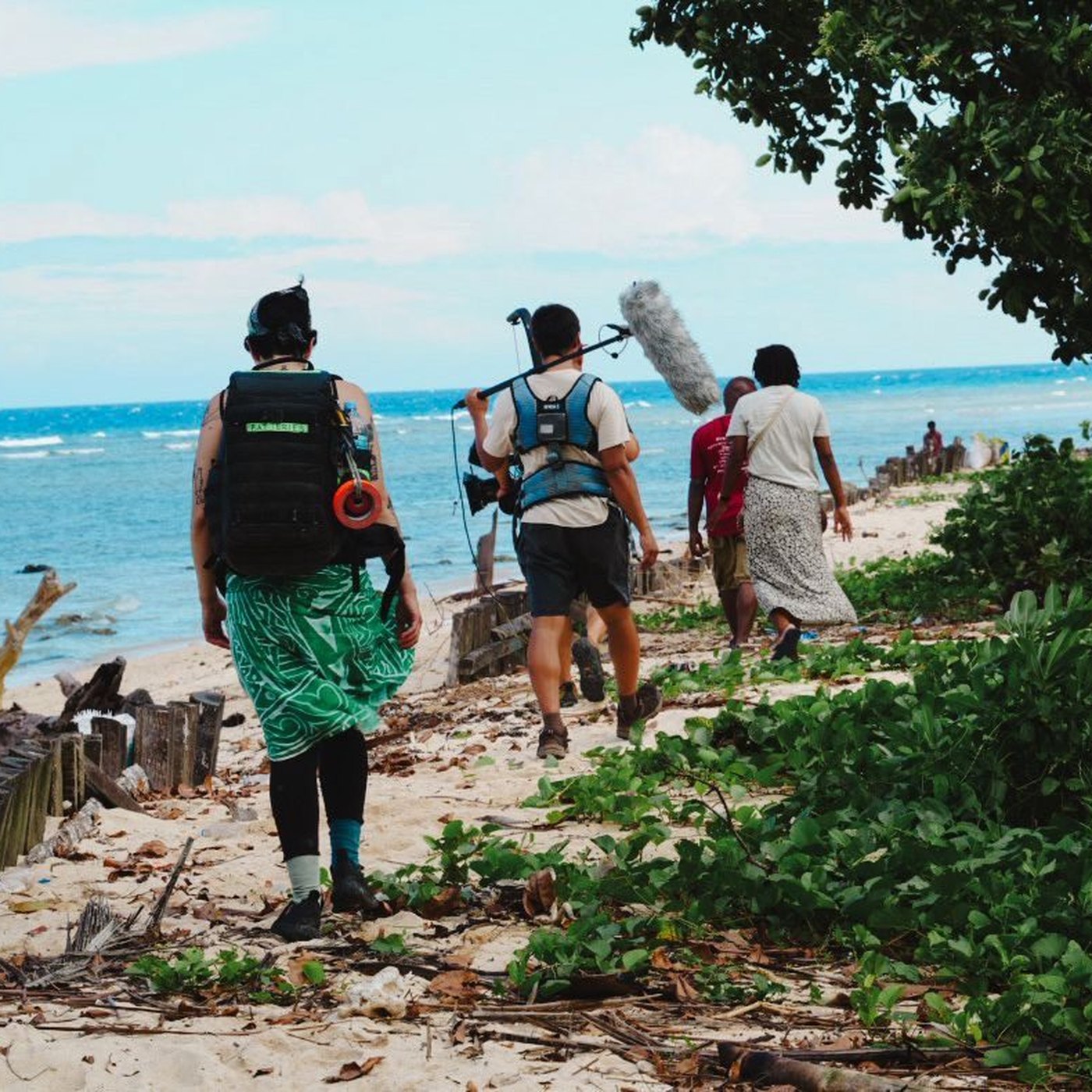
A film crew walking the beach with camera gear
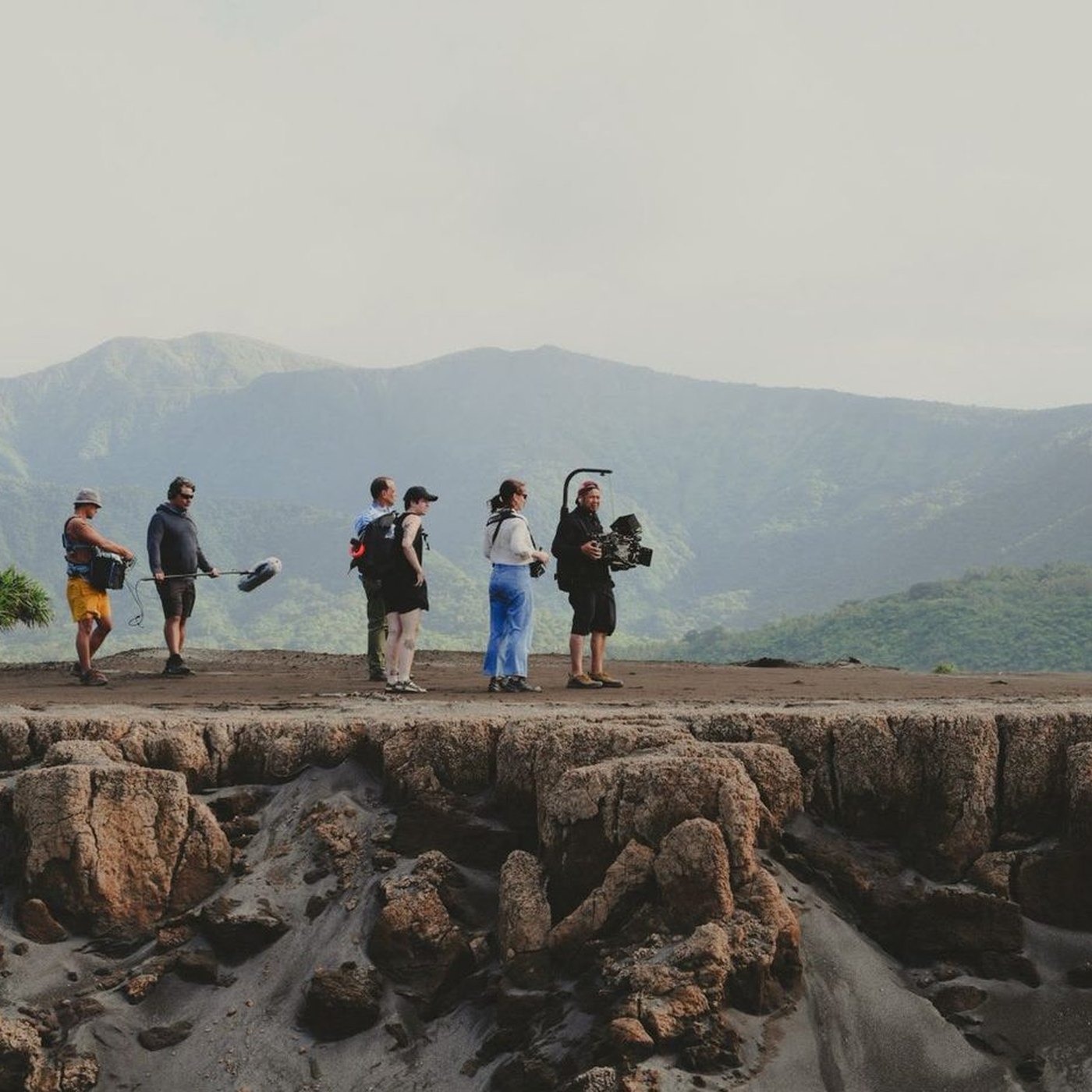
A film crew on a rocky ridge

Indigenous-Led

Foreign productions have documented the Pacific for generations. Indigenous Pacific filmmakers have rarely been afforded the same resources to tell our own stories at cinematic scale. This production is building a different model, one that invests in communities, regional crew, skills, relationships, and creative leadership while producing a film intended for the world stage.

The goal is not only to make a powerful film, but to nurture a filmmaking ecosystem better equipped to tell our own stories on our own terms.

Men in a canoe on still water
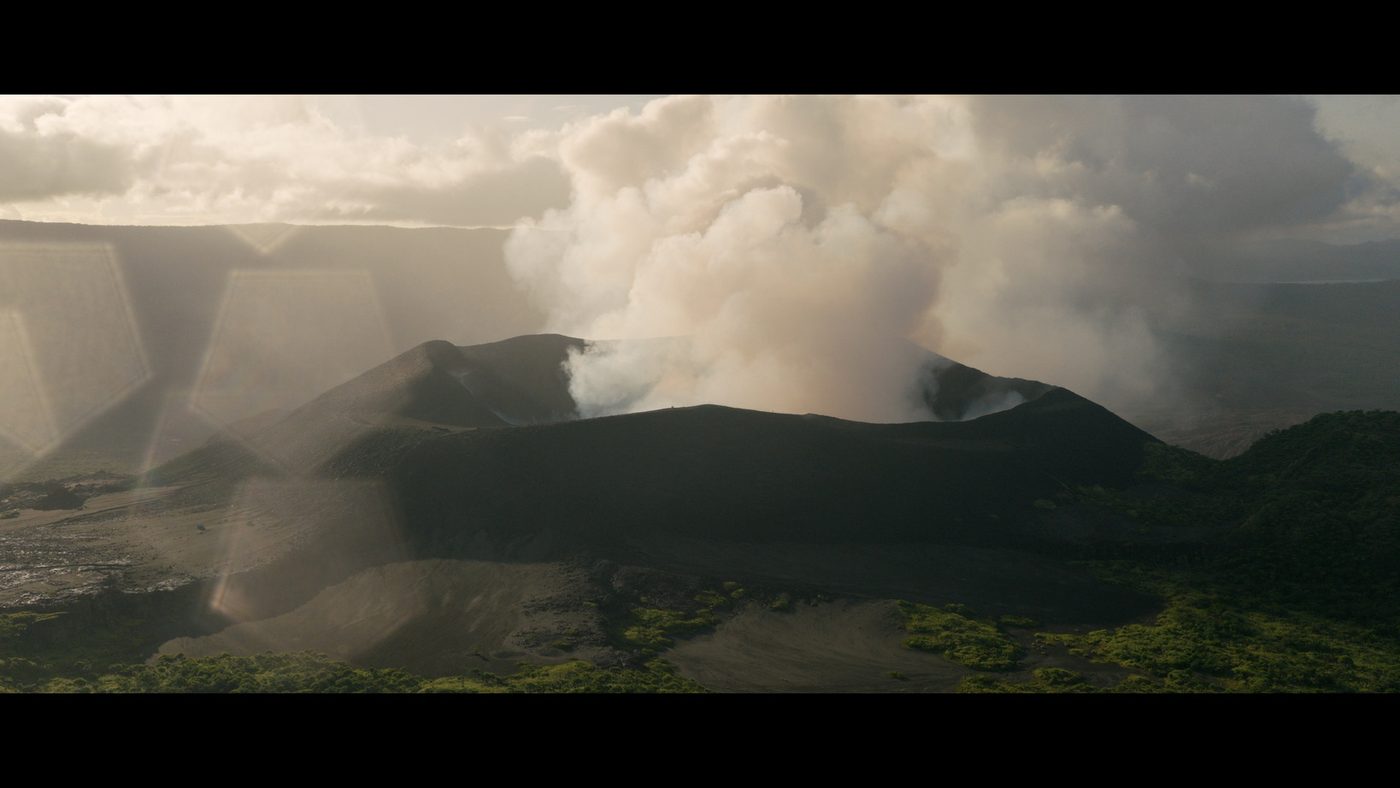
A volcanic ridge in mist

Artistic
Approach

Hands working fiber among green leaves

The Pacific as protagonist

Indigenous homelands, oceans, and communities — not western courtrooms — form the film’s visual and narrative center.

Intimate and expansive

Close, vérité-style interviews favor faces, gestures, movement, and reflection over traditional talking heads. Sweeping landscapes place people within jungles, mountains, ocean, and sky — reflecting Indigenous cosmologies in which land is ancestor and relative.

Shot digitally in color primarily on a Sony VENICE · Panavision lenses · 2.39:1 · Digital color

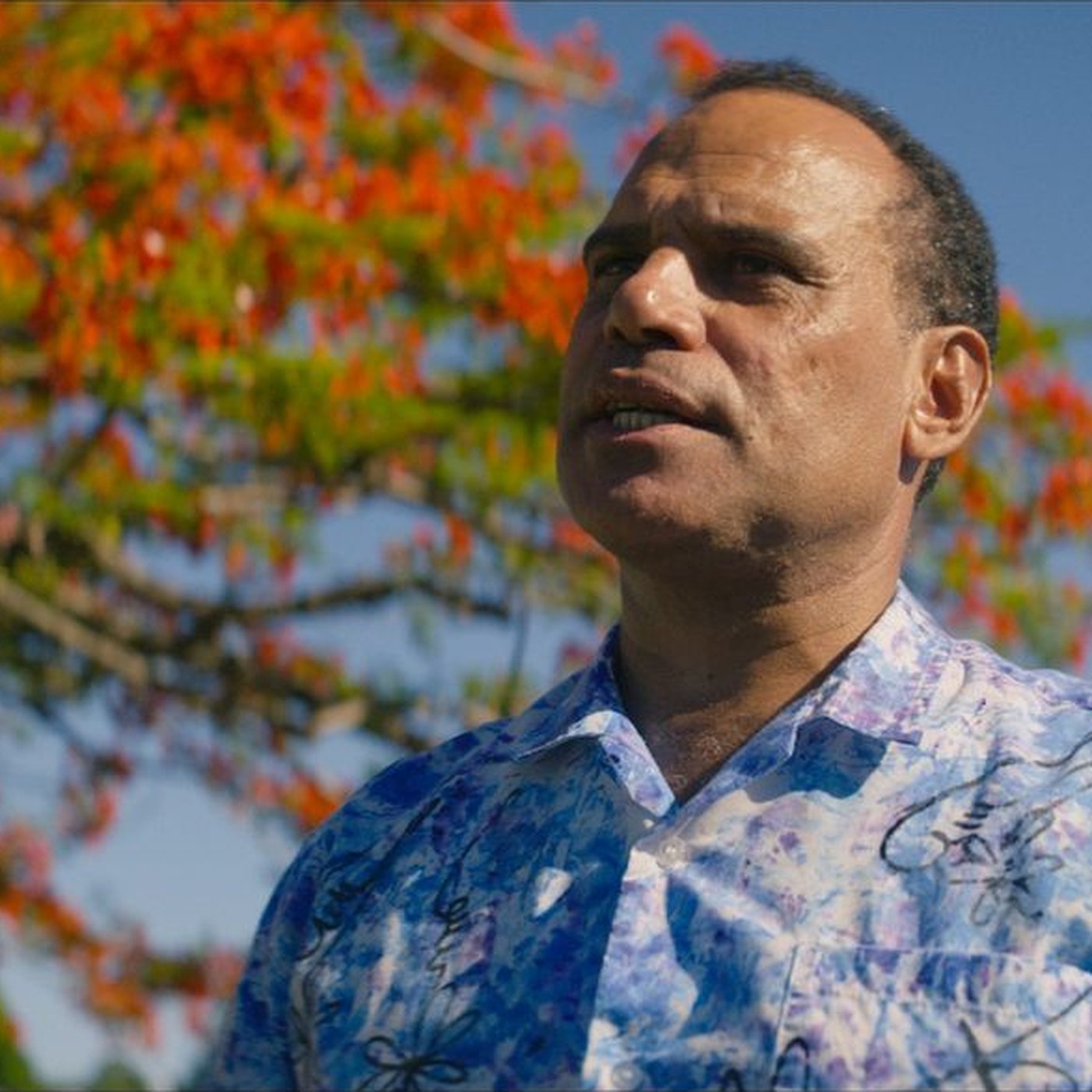
Ralph Regenvanu beneath a flowering tree
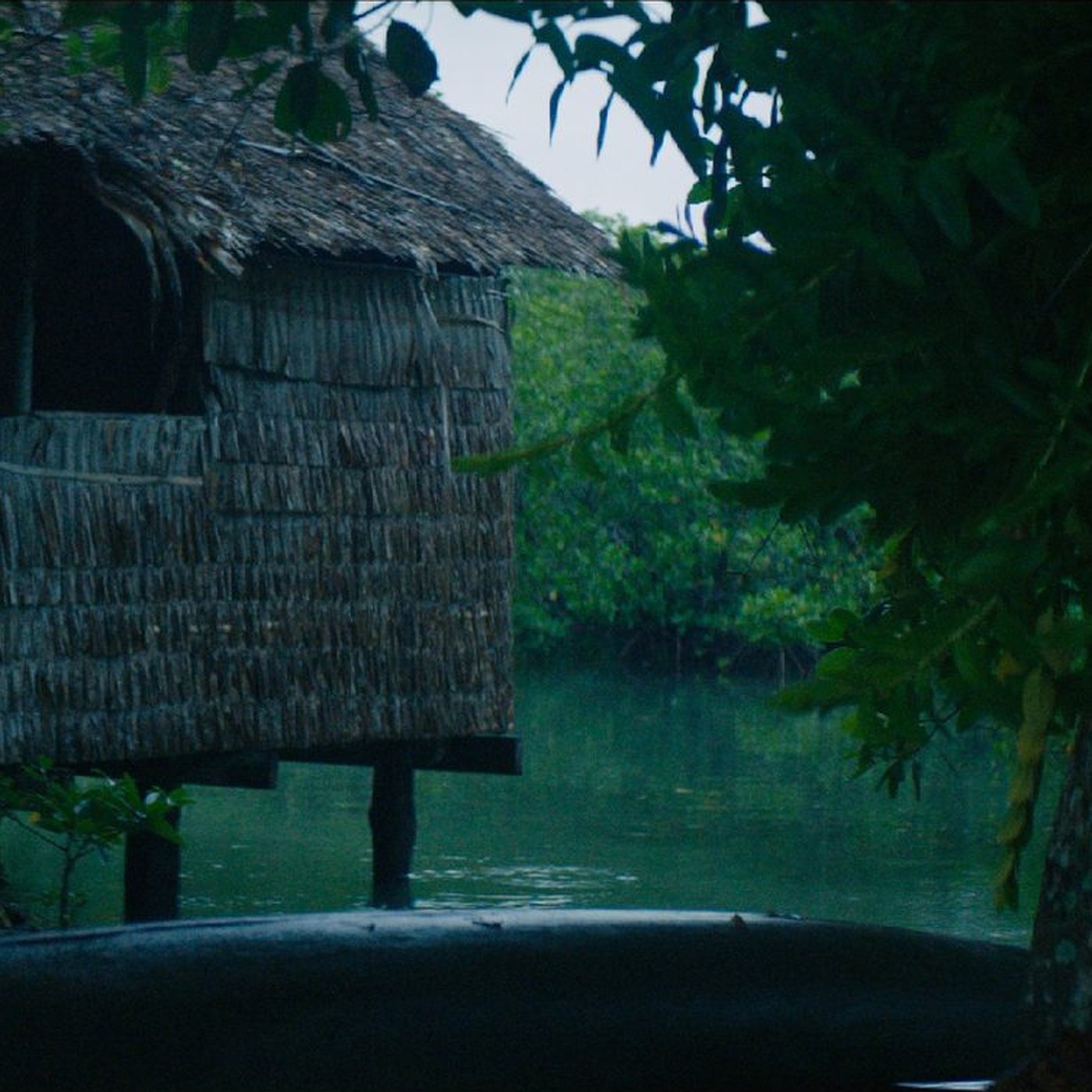
A thatched house standing in still water

Grounded

Natural light and location sound immerse us in the sensory world of home: rivers and native birds, windy shorelines, bare feet on soil, gardens, village life, cooking fires, and old chants.

A custom lens developed for the production creates intimacy with participants while retaining the texture and depth of the homelands surrounding them.

Past, Present, and Future

Stories move between personal memory, ancestral knowledge, contemporary climate disruption, and dreams of the future. Individual and collective voices coexist — in Yakel, the women of the village emerge as a collective character, their shared knowledge and responsibilities shaping how they are filmed.

The film continually returns us to the Pacific, asserting ancestral knowledge and Indigenous homelands as its center.

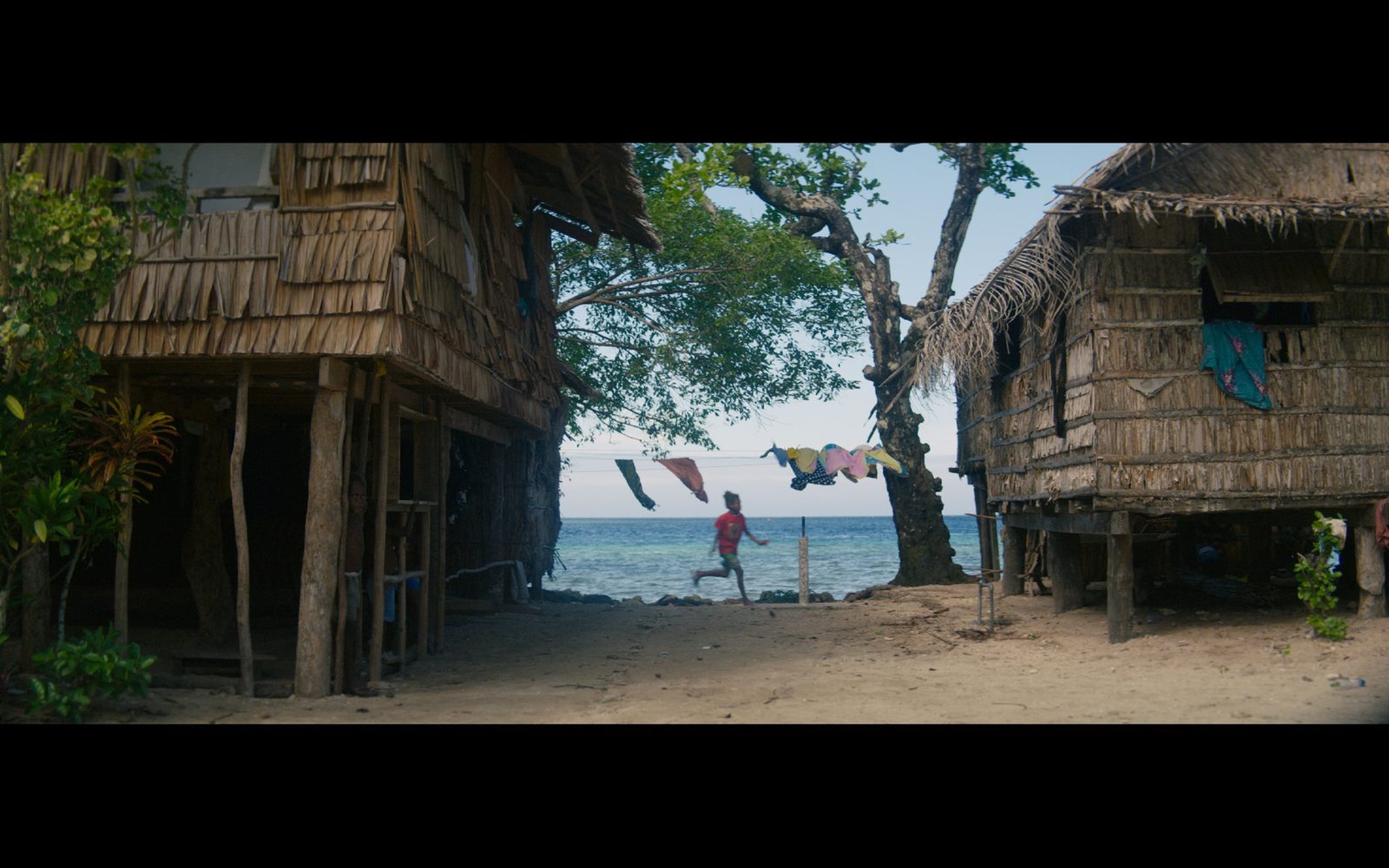
A child running past a house on the shore

The Ask

$500,000 in philanthropic support and mission-aligned partnerships

To complete the film, bring it to audiences, return it to communities, and support meaningful impact beyond the screen.

Film completion

Pickups, editing, sound, color, original and community-sourced music, licensing, cultural protocols, translation, accessibility, and delivery.

Impact and release

Community screenings, festival premieres, streaming distribution, audience engagement, and community-directed initiatives.

Funding support

Foundation grants, major gifts, individual philanthropy, and public and cultural funding.

Mission-aligned partnerships

Producing and finishing partners committed to Indigenous leadership, story sovereignty, and majority Indigenous IP ownership.

Our Commitment

To ensure the film’s ownership, circulation, and lasting benefits remain rooted in Indigenous communities. We strongly believe that this film should give as much as it captures.

We are committed to completing and sharing this film on terms that uphold Indigenous creative leadership, protect story sovereignty and intellectual property, and return meaningful resources to the communities whose stories made it possible.

The impact of this film should extend beyond the screen and beyond its release.

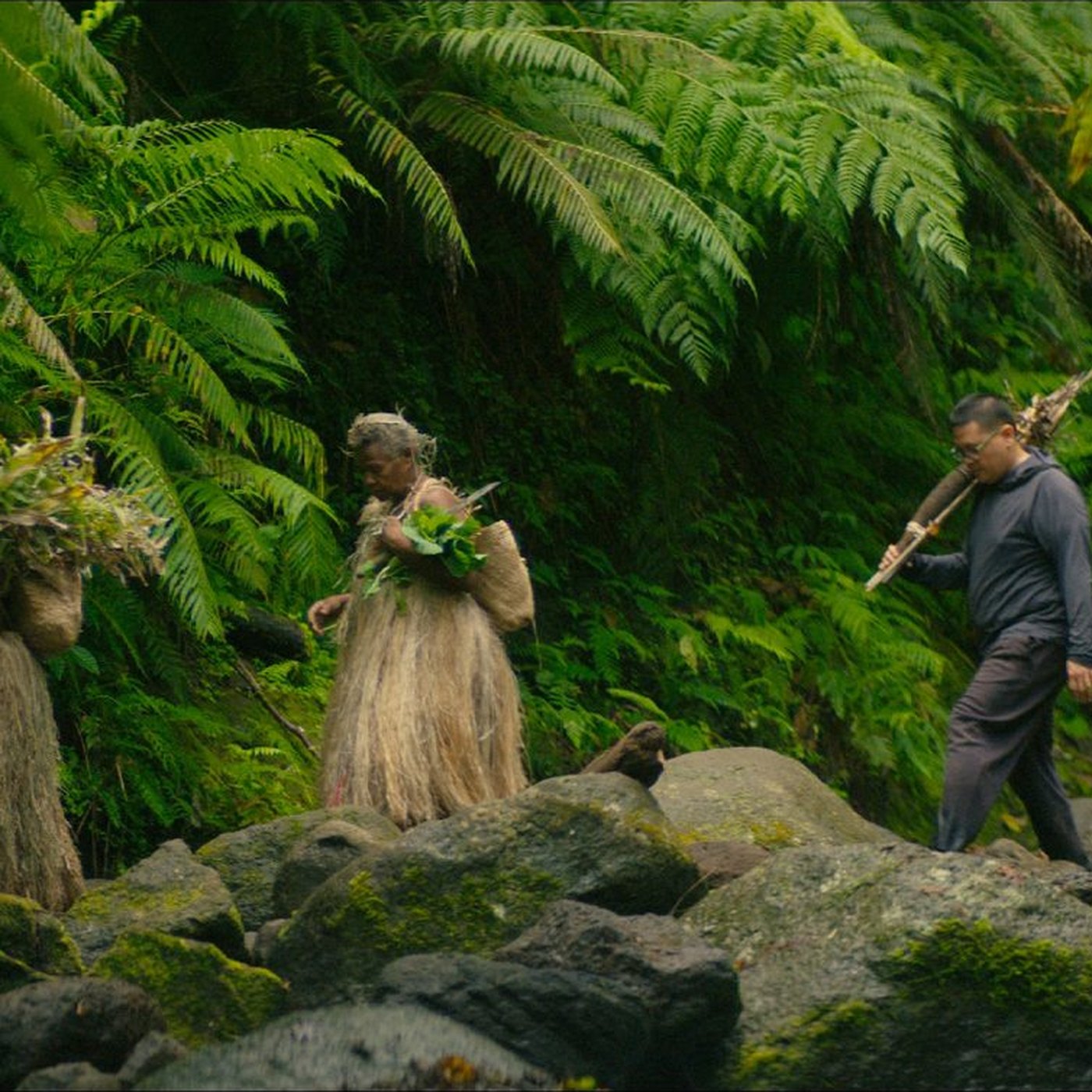
An elder and Julian Aguon walking through ferns
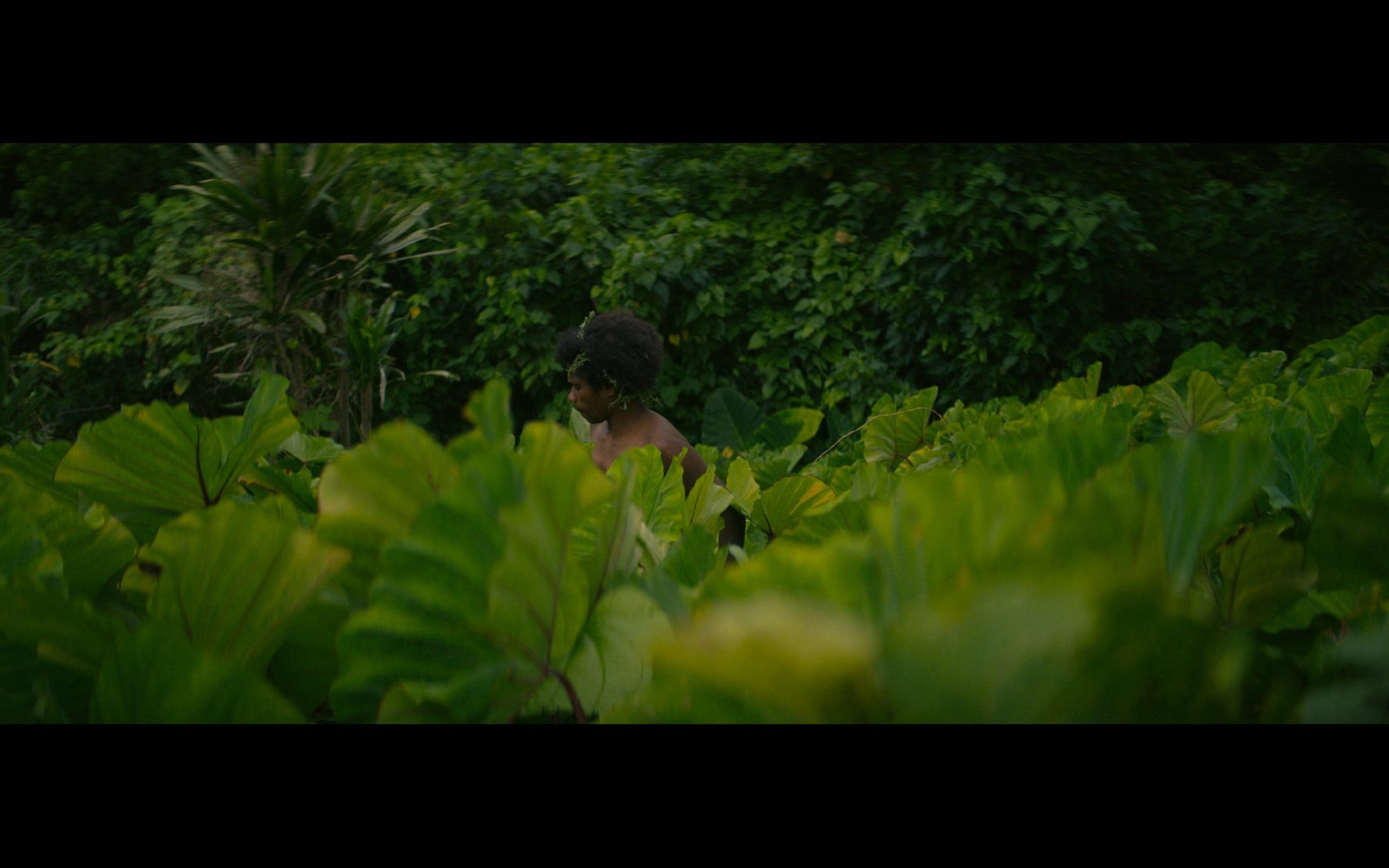
A person walking through dense green foliage